Welcome to the School of Food & Agriculture
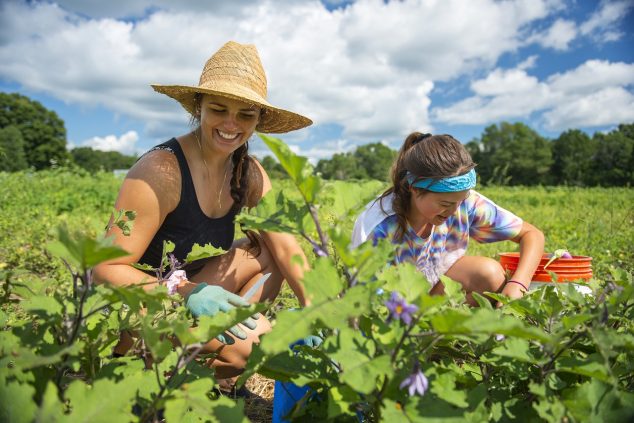
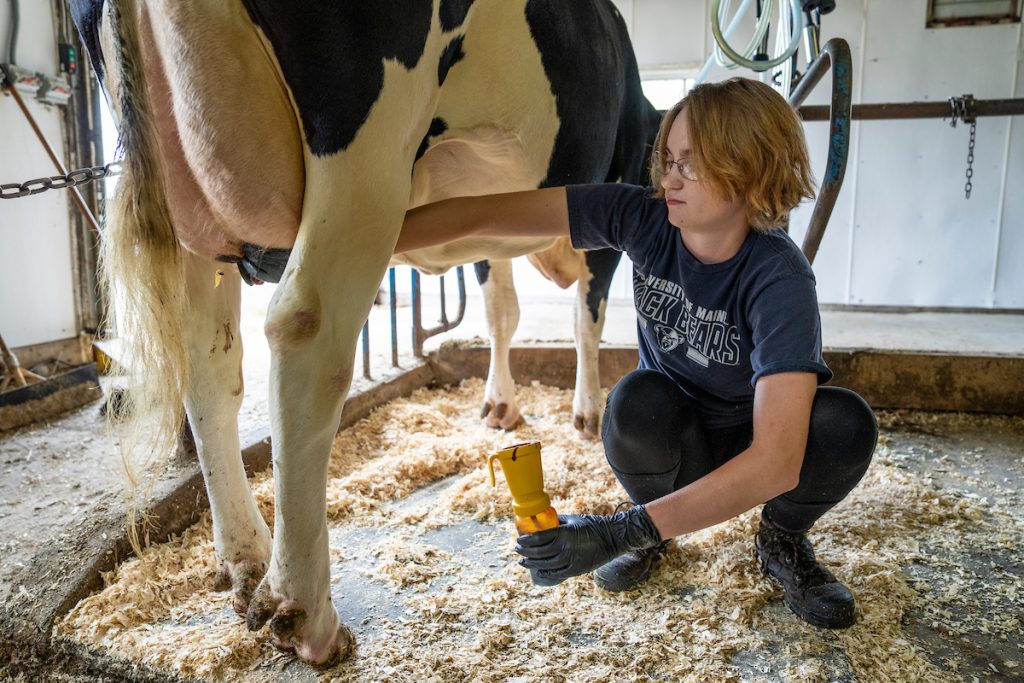
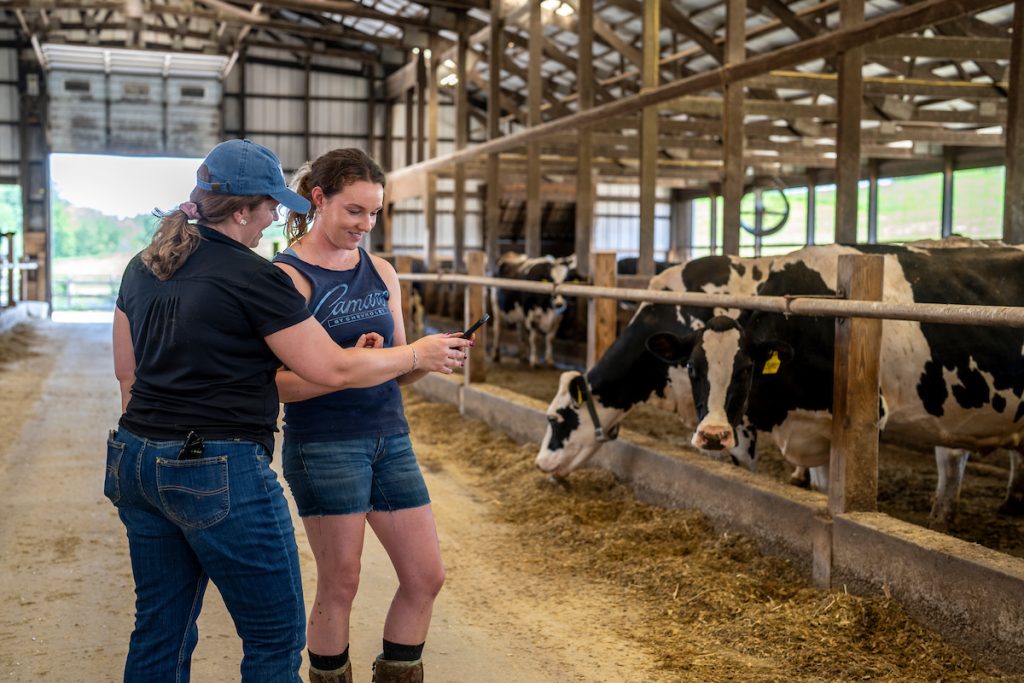
The School of Food and Agriculture is a dynamic learning community and a state-wide resource. Our School offers B.S. degrees in animal and veterinary sciences, environmental horticulture, food science and human nutrition, sustainable agriculture, and sustainable food systems. We also offer, and participate in, a range of graduate programs at the certificate, M.S. and Ph.D. levels.
Our faculty work locally, nationally, and world-wide from Maine to Europe to South America to Asia. Our students come from our state and from across the globe. Our research and academic programs focus on the sustainable production of plants and animals, on nutritious diets that promote human health and well-being, and on safety and production issues important to food and agriculturally-related businesses.
Reflecting the land grant mission, our programs support Maine’s agricultural community and strengthen Maine’s economy, while promoting human, animal and plant health, and ecosystem sustainability. It is an exciting time to be involved in food and agriculture issues! Explore our website and visit our campus. You will meet friendly, approachable, and interesting faculty and staff eager to answer your questions and get to know you.