Undergraduate Programs in
PSEThe Department of
Plant, Soil, & Environmental Sciences is directly responsible for
the B.S. degree in Landscape Horticulture and Sustainable
Agriculture, and its faculty play a pivotal role through instruction
and advising in the Ecology and Environmental Sciences B.S. program.
Undergraduate Minors in PSE
Students may also complement their
undergraduate education by choosing to minor in Landscape
Horticulture, Soil Science, or Sustainable Agriculture.
Click here to access more
information about
Minors.
Landscape Horticulture
The Landscape Horticulture Program at the University of Maine is a
science-based curriculum that offers students the opportunity to
gain theoretical and practical knowledge in the areas of plant
ecology, environmental horticulture, landscape design and
construction, ornamental plant production and maintenance, soil
science, turfgrass management, plant physiology, and a host of
related areas. The program provides excellent training for
individuals seeking careers in the Green Industry, landscape design,
turf management, public horticulture, estate management, and also
provides a strong background for students interested in pursuing
graduate education in areas ranging from Landscape Architecture to
many areas of advanced plant science. A federal program review team
described the UMaine program as one of the best in North East.
Click here to access the
Landscape Horticulture Program website.
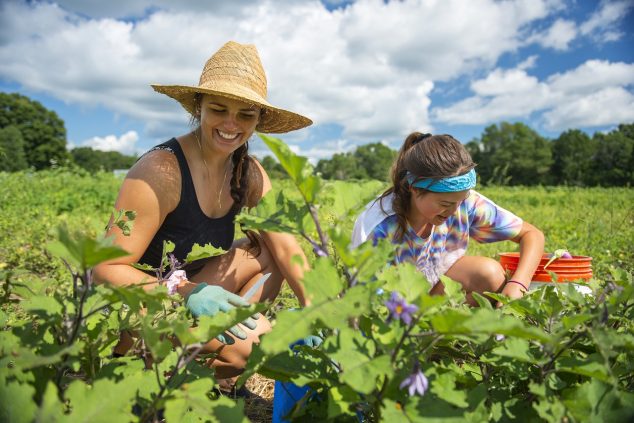
Sustainable Agriculture
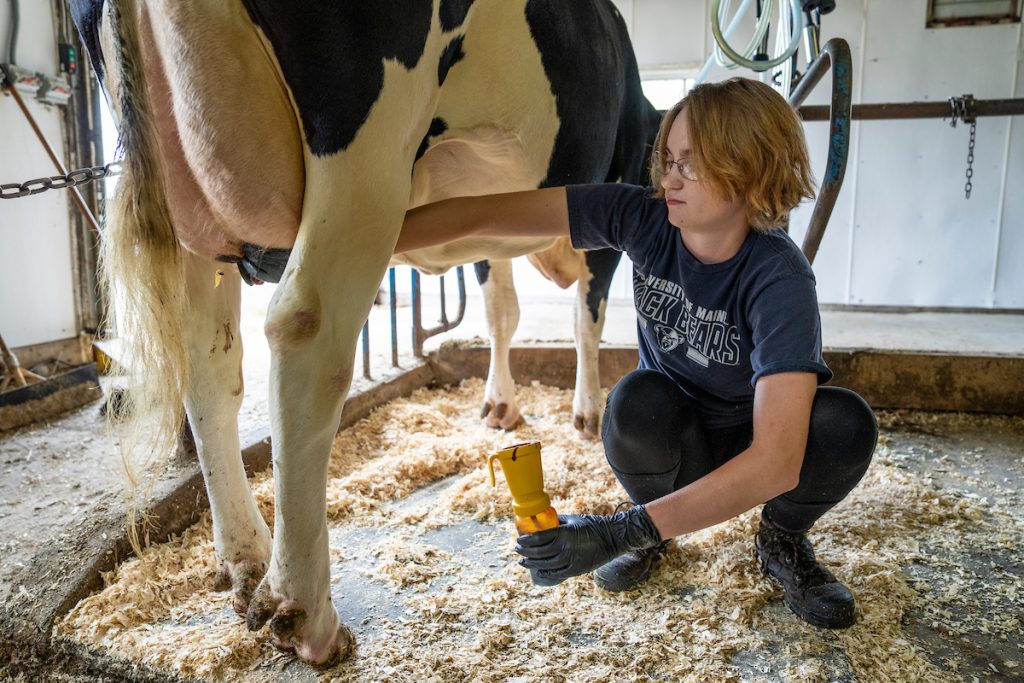
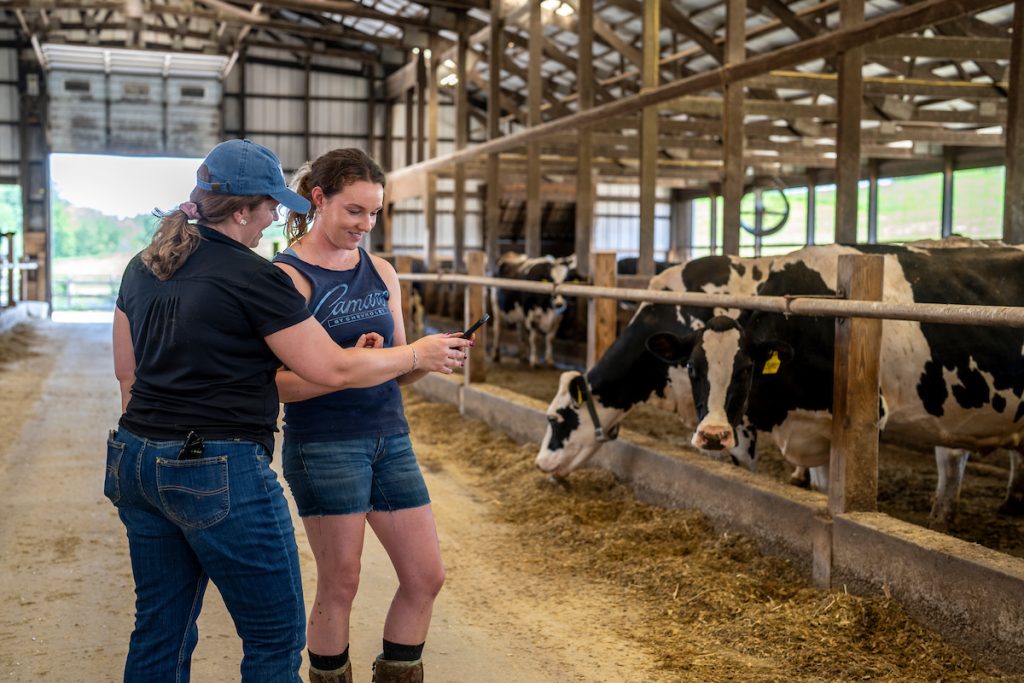
The University of Maine offers academic, research, and extension
programs in Sustainable Agriculture (SAG) in order to address the
principles and practices of environmentally sound, profitable
farming. The academic program emphasizes: how to increase farm
profits by decreasing the costs of crop and livestock production;
how to build soil tilth and fertility through rotations, multiple
cropping, and nutrient cycling; how to protect water quality by
decreasing the need to use synthetic agrichemicals; how to manage
crop pests and livestock diseases with integrated, ecologically
sound strategies; and how to create a strong, diversified
agriculture that is stable through market and weather fluctuations.
The Sustainable Agriculture Program is an interdisciplinary program
offered cooperatively by the faculties of the Departments of Plant,
Soil and Environmental Sciences, Biology, and Resource Economics and
Policy.
Click here to access the
Sustainable
Agriculture Program website.
Ecology and Environmental
Sciences
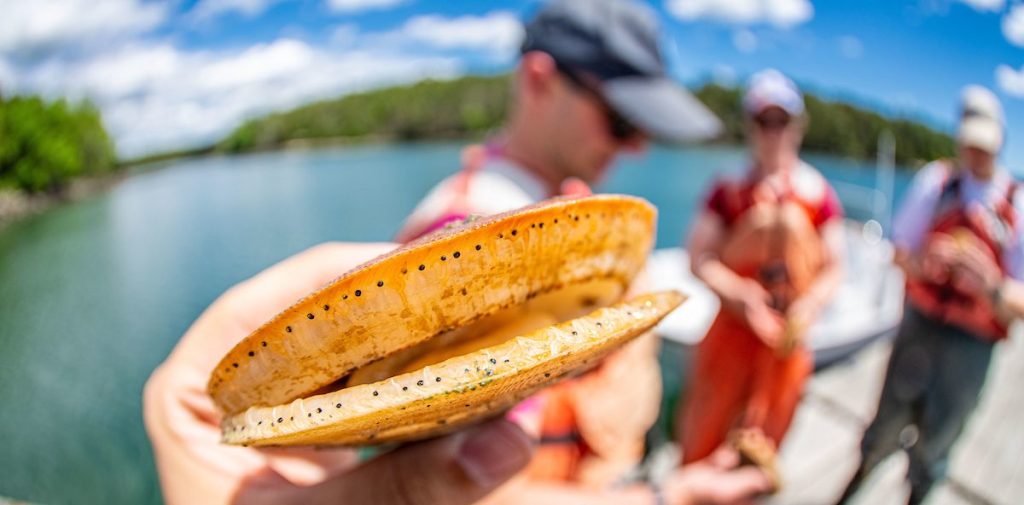
The B.S. in Ecology and Environmental Sciences is a science-based,
interdisciplinary program which is both scientifically rigorous and
highly flexible. Courses are taken in seven requirement areas:
Natural Resources core, Biological and Ecological Sciences, Physical
and Chemical Sciences, Quantitative Skills, Communications Skills,
Humanities and Social Sciences, and the Natural Resources
Concentration. Natural Resources core courses stress
problem-solving, and written and oral communication skills. There
are nine Natural Resources concentration areas from which to choose,
including both science and policy options. Natural Resources
undergraduate students are often employed on faculty research
programs and interact frequently with both research faculty and
graduate students in our department. The three concentrations most
strongly tied to our department are the Soil & Water Sciences,
Wetland & Aquatic Ecology and Environmental Sciences. Faculty from
Plant, Soil & Environmental Sciences advise students with these
concentrations.
Click here to access the
Ecology and
Environmental Sciences Program website.