UMaine Research
Global Impact • Local Relevance
research and development funding
of all university research in Maine
research and development expenditures
The Latest
Maine’s R1 university
The University of Maine’s R1 status, a first among the state’s universities, places it among the top 187 universities nationwide. The Carnegie Classification of Institutions of Higher Education awards the designation for reaching the highest possible tier of research expenditures and doctoral education. UMaine has held R1 status since 2022, and the classification was reaffirmed in 2025.
Research initiatives
University-wide initiatives transcend silos and campus organizations to advance global research and creative impact.
Centers and institutes
These bastions of innovation bring students and faculty together to pursue research, teaching and outreach.
About UMaine Research
As Maine’s Land, Sea and Space Grant university, UMaine drives innovation with impact across the globe and delivers value for our state.
Learner-Centered r1
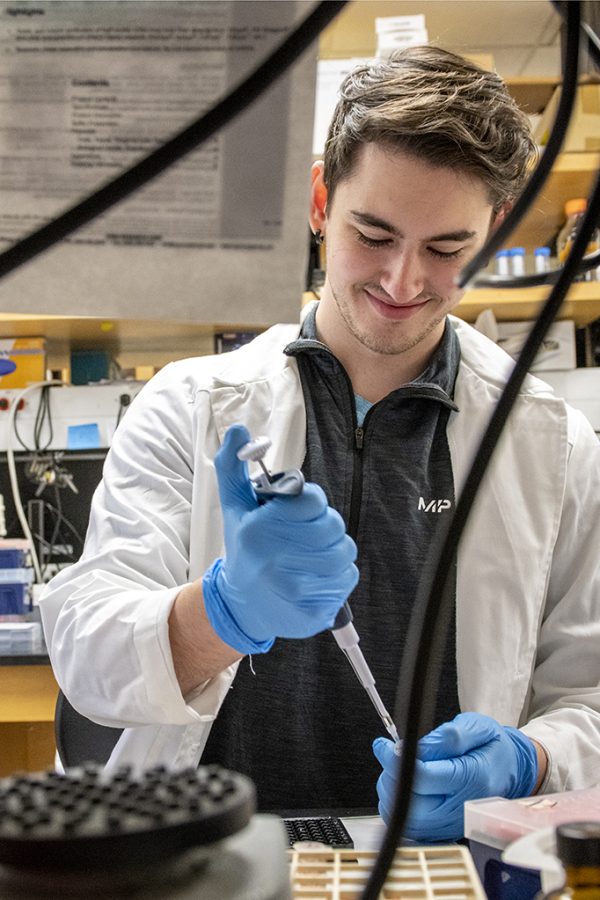
For Black Bears, research experience starts on day one. The global reach of UMaine’s research enterprise creates opportunities to pioneer powerful solutions and advance knowledge that makes a difference in the Pine Tree State and worldwide. Explore UMaine student research opportunities today!